How the character formed
History
The Bakuvian character was not invented — it was smelted. Oil, money, dozens of peoples and crowded courtyards turned a port town into one large cosmopolis over a little more than a century.
How the character formed
The Bakuvian character was not invented — it was smelted. Oil, money, dozens of peoples and crowded courtyards turned a port town into one large cosmopolis over a little more than a century.
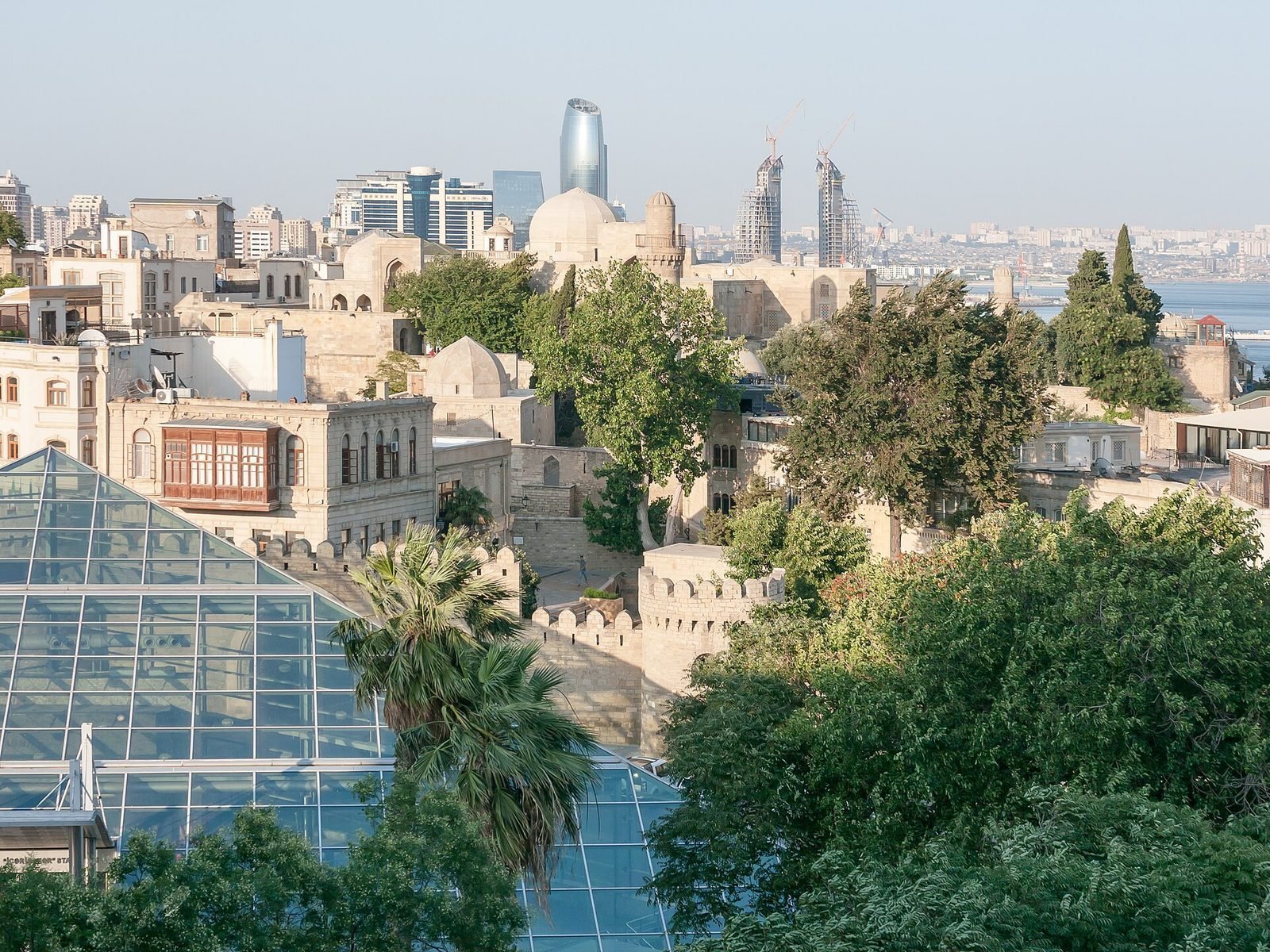
To understand the Bakuvian, you have to understand the city. Baku was always a crossroads: of sea and land, East and West, languages and faiths. That mixture became the character of its people.
History
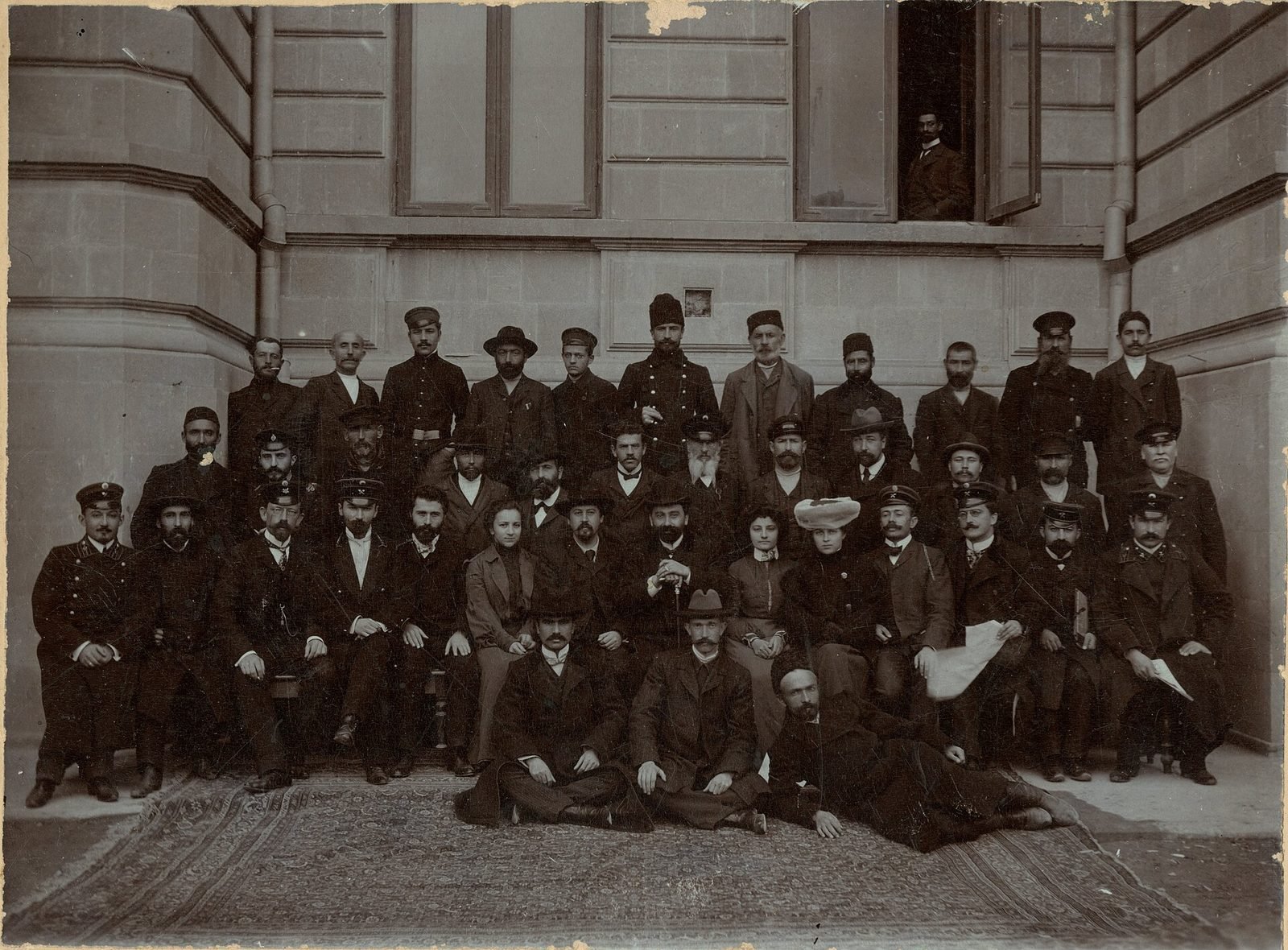
At the turn of the 19th–20th centuries the Baku oil boom drew people from all over the world: Azerbaijanis, Russians, Armenians, Jews, Germans, Poles, Georgians. Industrialists built mansions while workers crowded into settlements — and all of them became Bakuvians.
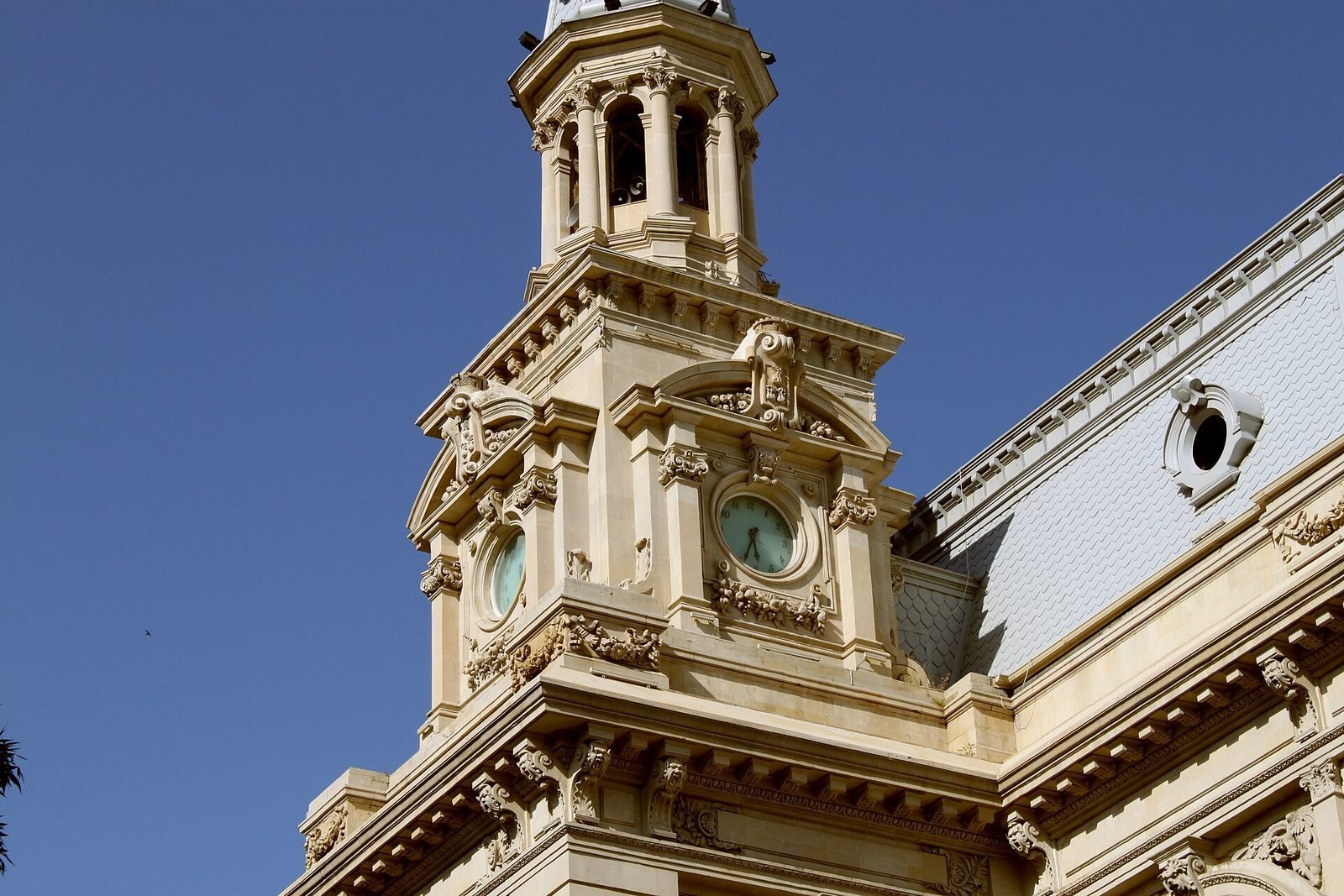
The city grew rich fast: magnificent "oil-boom" architecture, theatres, the first opera in the Muslim East. In this cauldron the habit was born of living side by side with the unlike — and seeing no problem in it.
History
In the Soviet decades the multi-ethnic life became everyday. Families of different peoples lived in one courtyard, children grew up together, everyone celebrated holidays together, and the common language was Bakuvian.
The city's history also knew hard pages and partings with whole communities. But the very fusion of cultures born here proved stronger than time — Bakuvians recognise one another anywhere in the world.
What the character was made of
A boom that gathered the whole world into the city in a couple of decades.
Dozens of nations who became one set of neighbours and one people: Bakuvians.
The close shared space where the common character was formed.
The Caspian and the boulevard — the city's shared living room and meeting place.
Baku's history is rich and complex; here we speak above all about the cultural character of its people, without claiming a full historical account.